
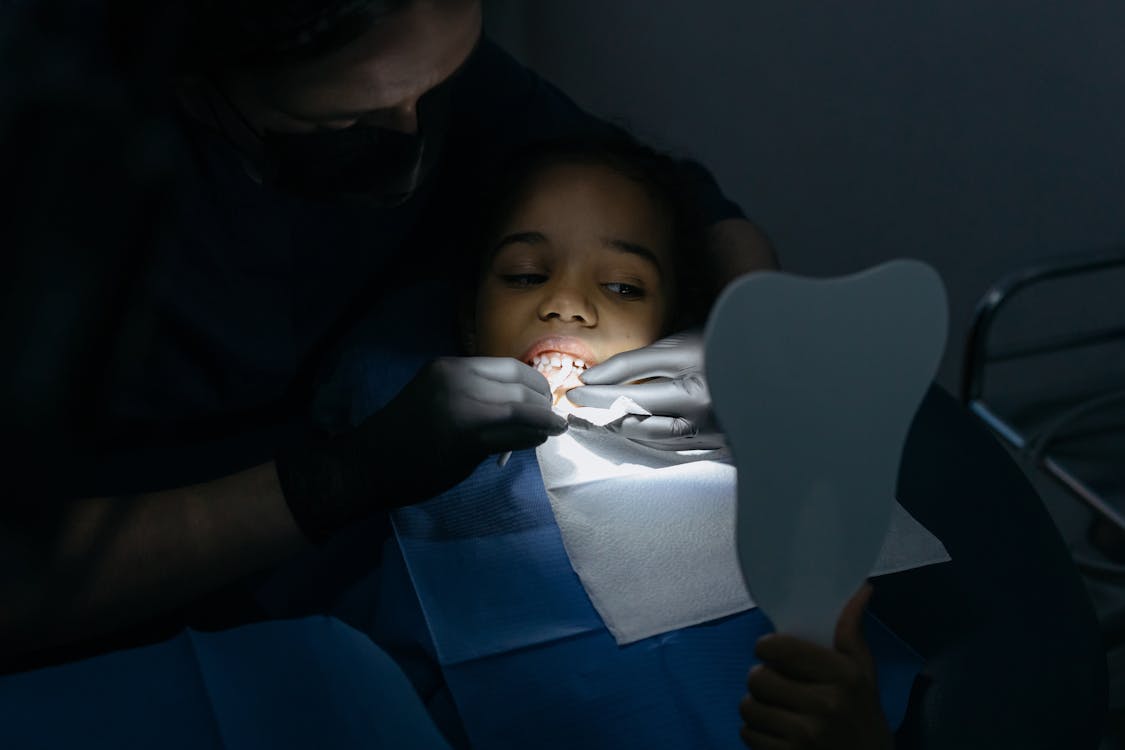
Plaque and tartar are two terminologies often used interchangeably, but there is a difference between the two. You can consult a dentist in Winnipeg, Manitoba, who can guide you to prevent plaque and tartar. In this blog, you will read what exactly is plaque and tartar and how you can prevent them.
What is a Plaque?
Dental plaque is the sticky substance building up on your teeth and in between your gums after meals intake. The plaque, which may be invisible at first, can later turn into a risk factor of tooth decay, cavities, and other bacterial infections,
Especially after having excessive sugary foods and carbohydrates, you are not the only one eating the food; bacteria is having its meal.
Make a habit of having good oral hygiene, like washing your mouth after every meal, brushing twice a day, and flossing once a day to avoid plaque build-up, resulting in bad breath and other gum diseases.
Symptoms of Plaque are.
- Bad breath
- Swollen or red gums
- Bleeding gums
- Bleary feeling on teeth
What is a Tartar?
When plaque is already on teeth for a more extended period, it combines with saliva and minerals in your mouth, giving birth to tartar. Tartar is a hard deposit formed on the teeth through plaque, making it difficult to clean teeth and risking tooth decay. Once tartar starts spreading, you immediately need to see a dentist as it must be removed by a dental health professional. It is done at an earlier stage or will be resulting in diseases like periodontal or gingivitis. Over time if not given proper medical attention, it can cause teeth to fall or loosen.
Symptoms of tartar are:
- Bleeding of gums frequently
- Roughness feels on teeth
- Swollen gums
Prevention for plaque and tartar:
Eliminating plaque can be accessible through thorough brushing and flossing daily, but as tartar has a thicker coating, it needs a dental health professional’s help.
Here are a few steps to prevent plaque and tartar from building up.
Brushing teeth – Brushing your teeth at least twice a day is necessary as it clears the dirt from your mouth.
Flossing – The next step after brushing is flossing, as it helps to get rid of the stuck particles reducing the risk of plaque.
Visit a dentist – Visiting a dentist every six months for checkups and getting updates on your health care act as a savior for your teeth.
Less consumption of sugary foods – Avoid having foods high in carbohydrates and sugar and fewer beverages like tea and coffee.
With these above steps, you can only prevent the risk of tartar as there is no rise in tartar without plaque.
Conclusion
Always brushing teeth twice a day, including flossing, visiting a dentist every six months, leads to healthy teeth.